



Cancer survivorship is the period of life after cancer treatment ends - and for young people, it can bring decades of ongoing physical, psychological, social and financial challenges that the health system is rarely set up to address. There are more than 30,000 young Australians living as cancer survivors today. Nine in ten young people diagnosed will beat their initial disease. But for those who live it, survival is not where the story ends - it’s where a new, largely invisible chapter begins.
A disease no longer confined to older age
Cancer can no longer be thought of as a disease of older age. We are seeing a troubling rise in aggressive, life-threatening cancers among young people and their parents. And for those who survive, healing does not mean a return to normal life. When treatment ends, the formal support system largely disappears - at the exact moment late effects begin to emerge. Many survivors describe the experience as “falling off a cliff.”
The scale of the problem
The numbers tell a sobering story:
- 80% of young survivors experience at least one long-term health problem
- Their mortality rate can be up to 10 times higher than their peers, driven largely by treatment-related complications or secondary cancers
- 1 in 3 will be diagnosed with a mental health condition such as PTSD, anxiety or depression
- 4 in 5 say they feel distressed and alone
- 70% say financial pressure and hardship is a major challenge to their wellbeing
- Globally, 1 in 3 adult survivors never achieve paid employment
And right now, there is no national survivorship framework or coordinated system of care to meet any of it.
Why survivorship is invisible
Perhaps the hardest part of this story is that it’s invisible. As psychologist Dr Toni Lindsay explains:
“From the outside looking in, they start looking normal again - their hair’s growing back, they’re back at school or work. But the reality is that even though they’re doing these things, their experience of them is not the same as before cancer.” She adds that it is often in the period after treatment that young people struggle most psychologically - “a space of invisibility, where they’re looking well but not feeling it.”
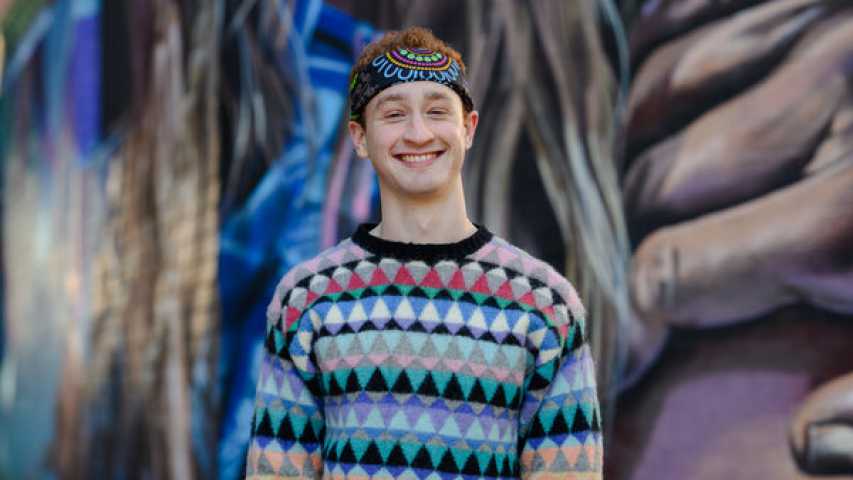
Young survivors describe this same truth in their own words. “I wish people knew that things aren’t necessarily all good after you’ve survived treatment,” says Rianna, a Canteen Youth Ambassador diagnosed with brain cancer at 17. “You aren’t the same as you were before.”
What effective support looks like
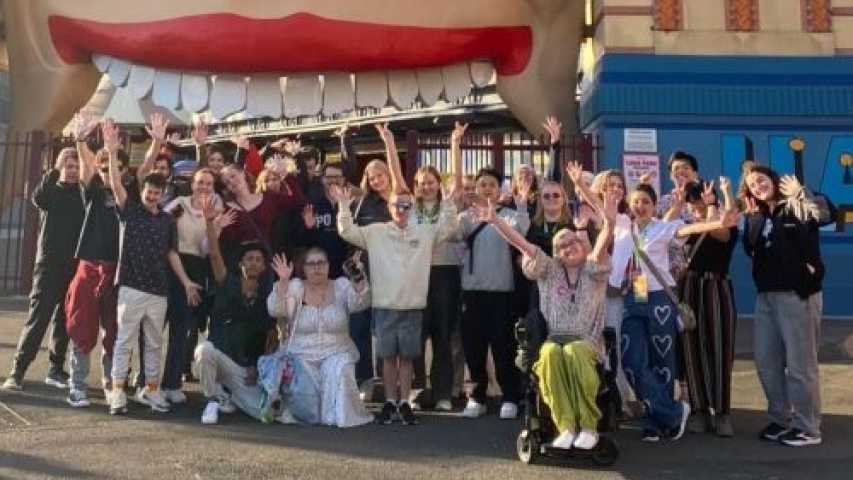
This is where targeted, evidence-based support can change the trajectory of a young life. Canteen’s Thrive program - a multi-day residential experience combining clinical education, peer connection and practical tools for life after cancer - addresses exactly the issues that fall through the cracks when treatment ends: identity, relationships, fertility, career and mental health. According to Canteen’s 2026 Thrive evaluation, 100% of participants were satisfied with the program, rated its quality as excellent, said it met their needs, and would recommend it to a friend in a similar situation.
As one participant, Saskia, put it:
“With Canteen’s help, I’ve learned that I can thrive — not just survive — after cancer.”